

Some common features of Montessori baby toys include:
1. Simple and natural materials: Montessori toys often use natural materials like wood, metal, and fabric. They are free from batteries, lights, and loud noises.
2. Open-ended play: Montessori toys encourage open-ended play, where there are no specific rules or outcomes. This allows babies to use their creativity and imagination during play.
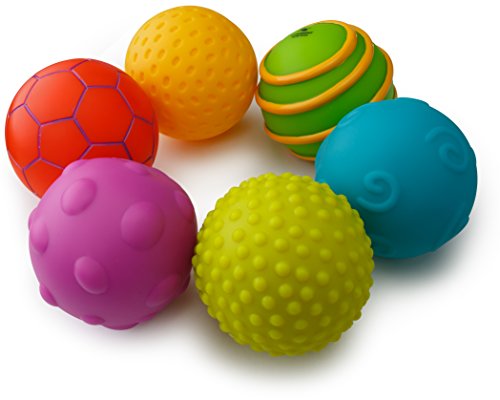
3. Sensorial exploration: Montessori toys focus on stimulating a baby's senses. They may have different textures, shapes, and sizes to help babies explore and understand the world around them.
4. Developmentally appropriate: Montessori baby toys are designed to match a baby's developmental stage. They provide opportunities for babies to practice various skills, such as fine motor skills, hand-eye coordination, and problem-solving.
Some examples of Montessori baby toys include:
1. Wooden stacking toys: These toys help babies develop hand-eye coordination and problem-solving skills as they stack and balance different wooden pieces.
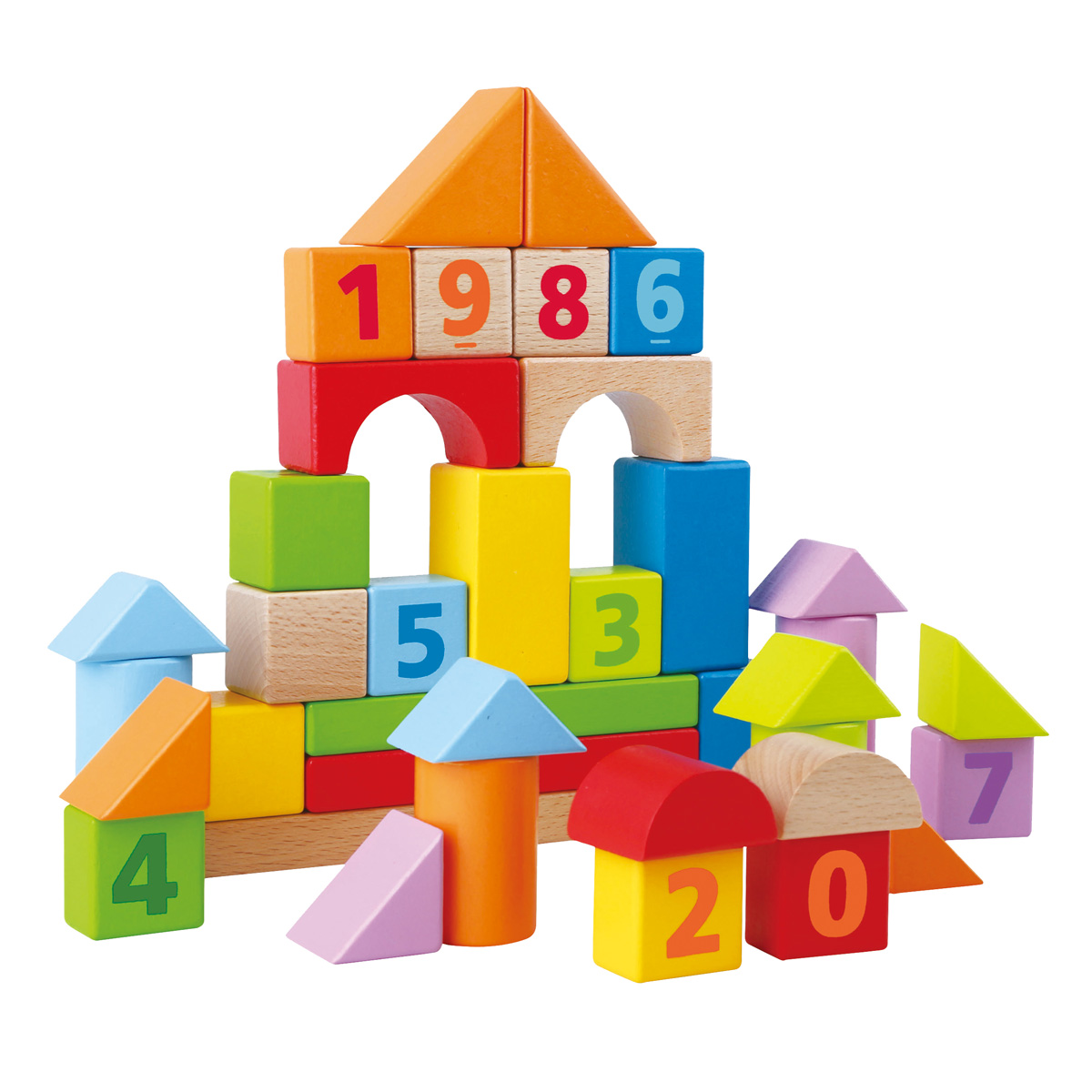
2. Sensory balls: These balls have different textures, colors, and patterns to stimulate a baby's tactile and visual senses.
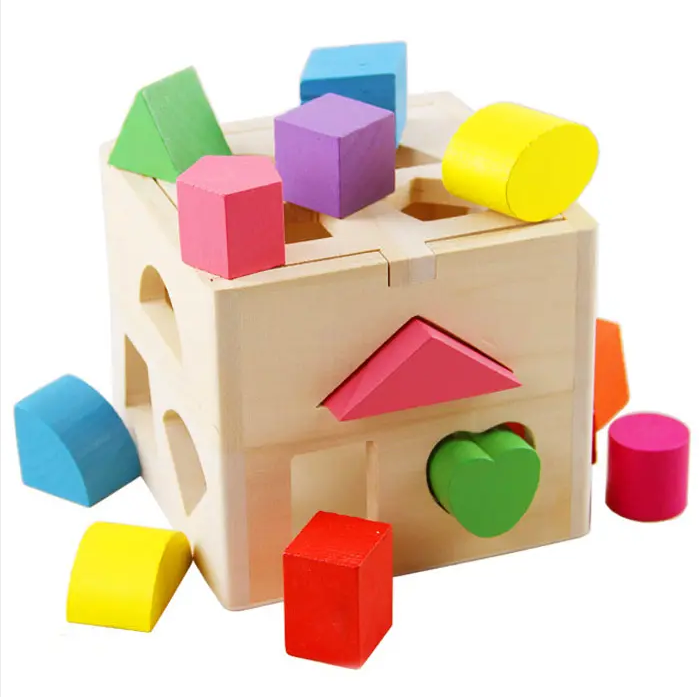
3. Object permanence boxes: These boxes have a hole or opening where babies can drop objects and retrieve them, helping them understand the concept of object permanence.
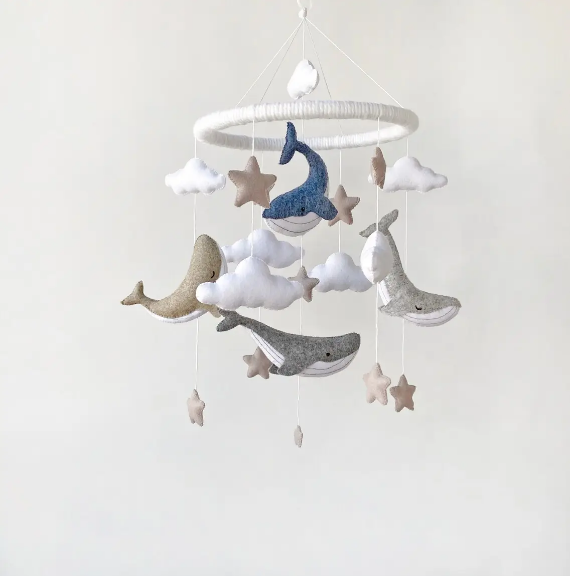
4. Montessori mobiles: These mobiles are designed to hang above a baby's crib or play area, providing visual stimulation and promoting focus and concentration.
Overall, Montessori baby toys aim to support a baby's natural development and provide them with opportunities for independent exploration and learning.
Want to learn more about Montessori Baby Toy, pls follow Macey.