

There are many types of outdoor sports water bottles, which can be classified according to different standards such as materials and functions. The following are some common types of outdoor sports water bottles:
1. Stainless steel water bottles: have good heat preservation and cold preservation effects, are durable and not easy to break, and are suitable for a variety of outdoor activities.
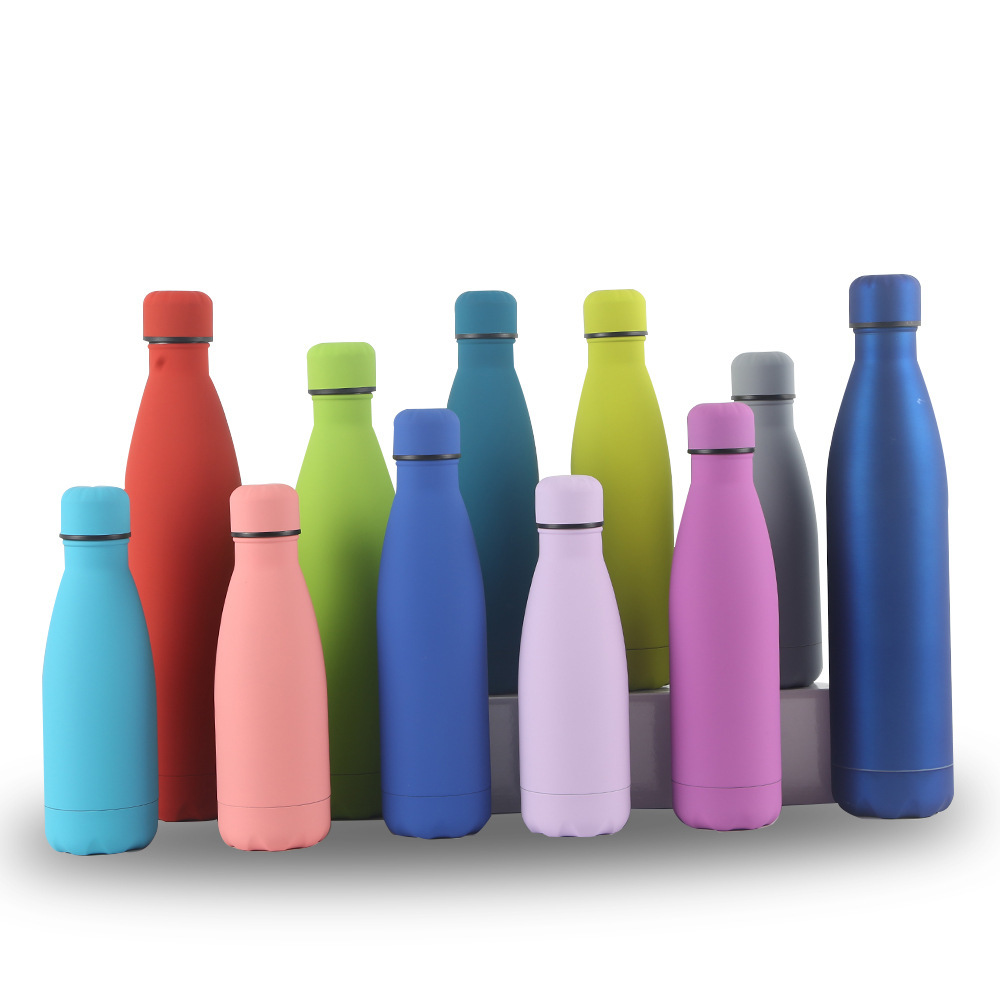
2. Plastic water bottles: lightweight and not easy to break, suitable for children or occasions that need to be used and carried frequently. But you need to pay attention to choosing food-grade plastics to ensure safety and non-toxicity.
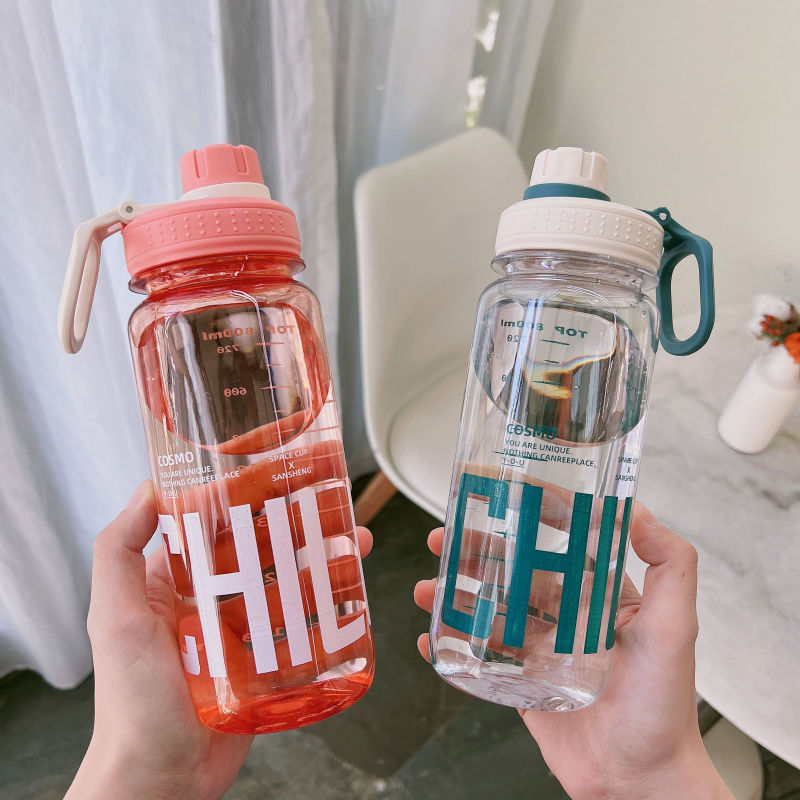
3. Glass water bottles: transparent and beautiful, easy to clean, but relatively heavy and fragile, suitable for indoor or relatively fixed outdoor environments.
4. Soft water bags/water bladders: commonly used in activities such as cycling and cross-country running, can be easily hung on backpacks without taking up extra space. Some products are also equipped with straws for direct drinking.
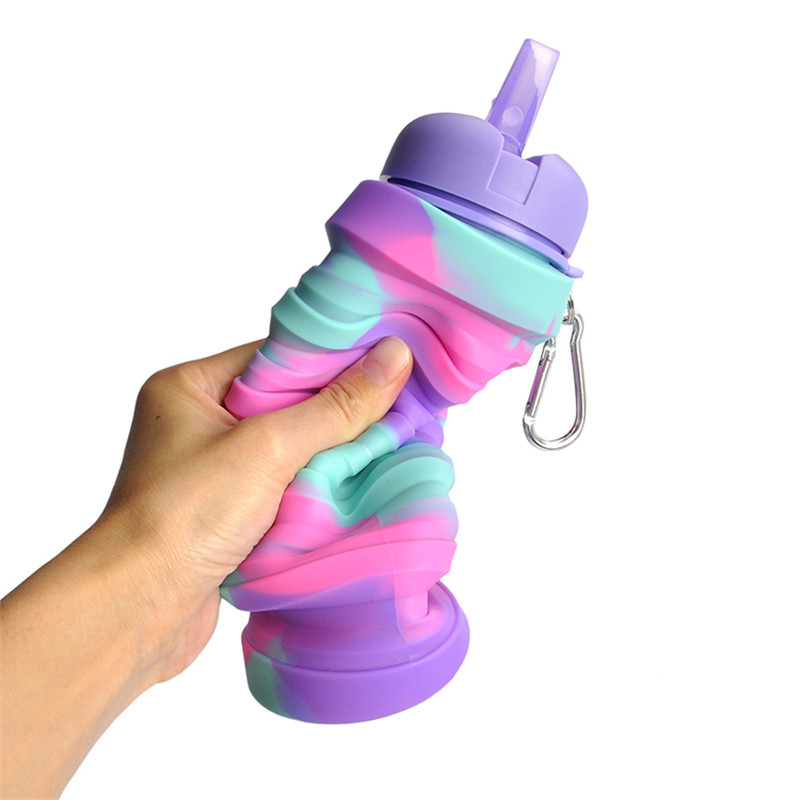
5. Double-layer vacuum insulated water bottles: made of stainless steel, with excellent heat preservation performance through double-layer structure and internal vacuum technology, suitable for maintaining the temperature of beverages during long-term outdoor activities.
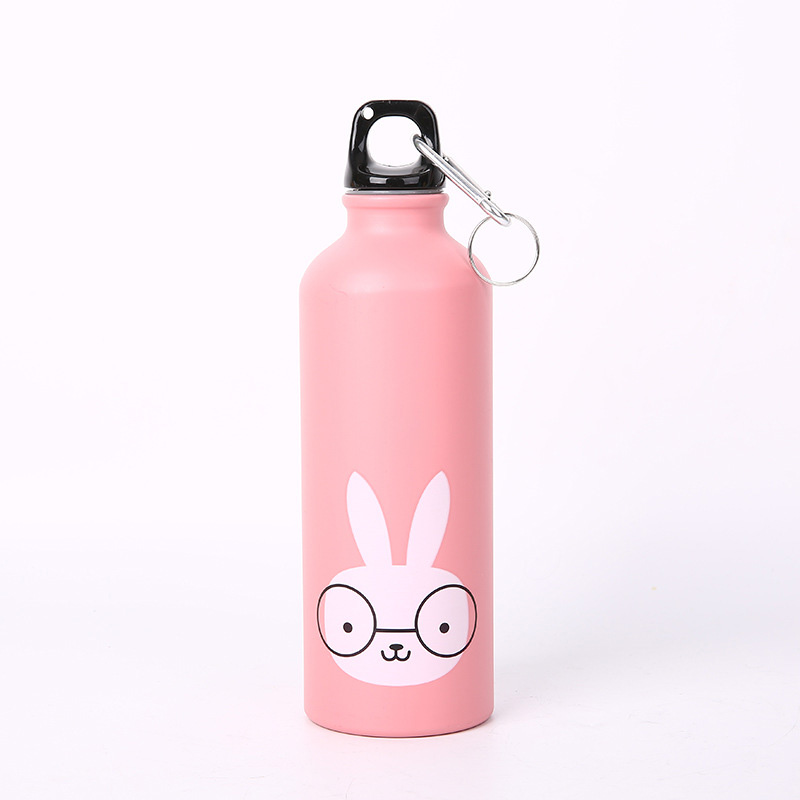
6. Smart water bottle: In addition to the basic water storage function, it also has functions such as recording water intake and connecting to mobile phone APP to display health data, which is suitable for users who pursue a sense of technology.
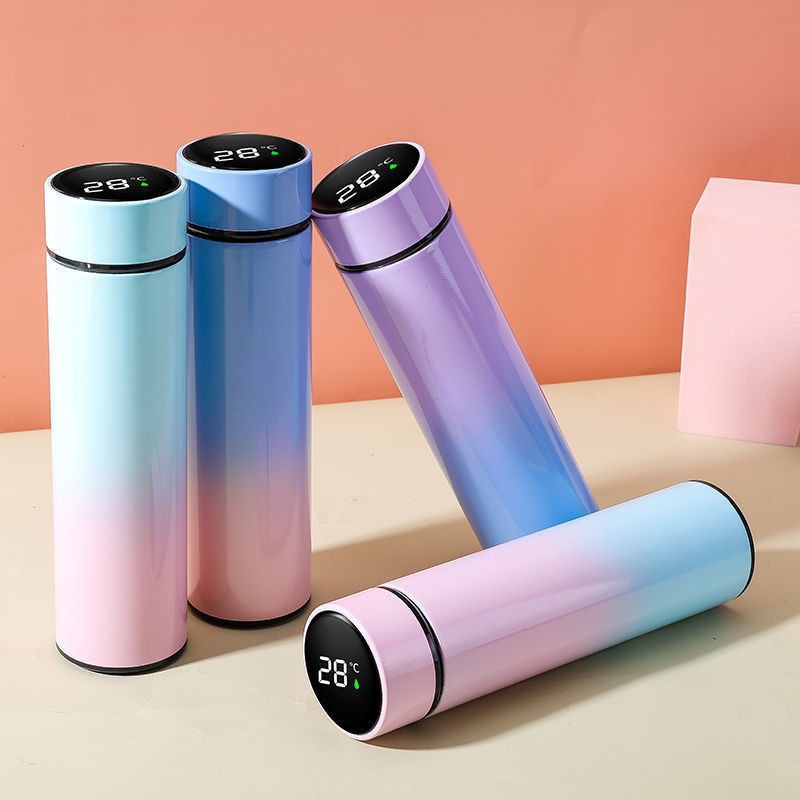
7. Environmentally friendly reusable water bottle: Emphasizes reducing the use of disposable plastics and promoting the concept of green living. It is usually made of durable materials and encourages long-term use.
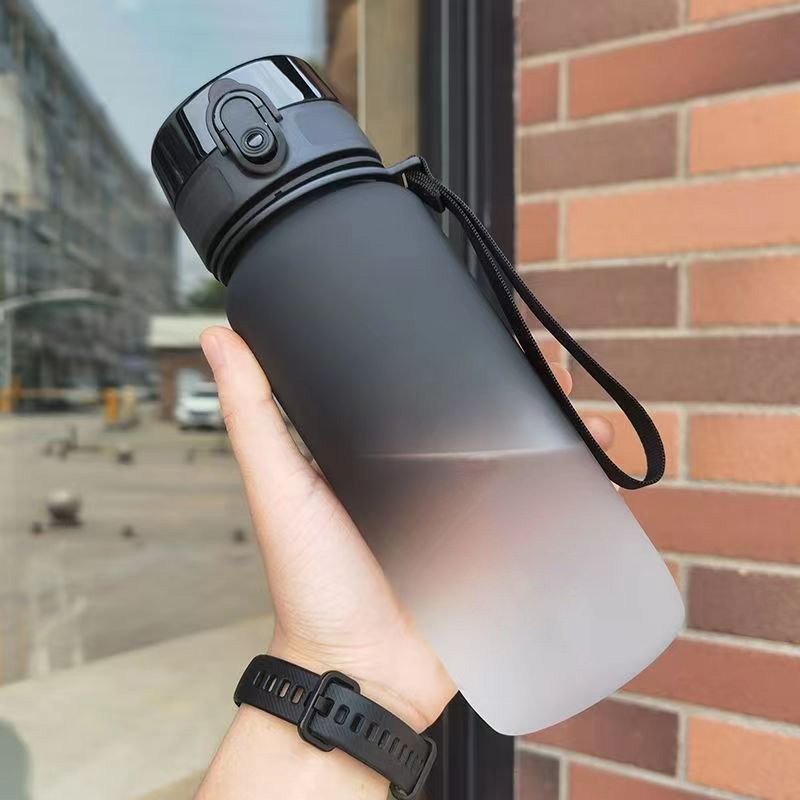
When choosing a suitable outdoor sports water bottle, you should consider factors such as the nature of the activity (such as whether insulation is required), personal preferences (such as capacity size, weight) and budget.