

Markers are a widely used tool for writing, painting, and marking. According to different uses and characteristics, markers can be divided into many types, each with its own unique advantages. Here are some common markers and their main advantages:
1. Water-based markers: These markers use water-soluble inks, are brightly colored, and are easy to clean (especially on clothing). They are suitable for children's paintings or places that need temporary markings because they can be easily erased with water.
2. Oil-based markers: Oil-based markers are made of oil-based inks that are not easy to fade and have good water resistance and light resistance. This type of marker is suitable for outdoor signs or marking on non-absorbent surfaces such as plastics, metals, etc.
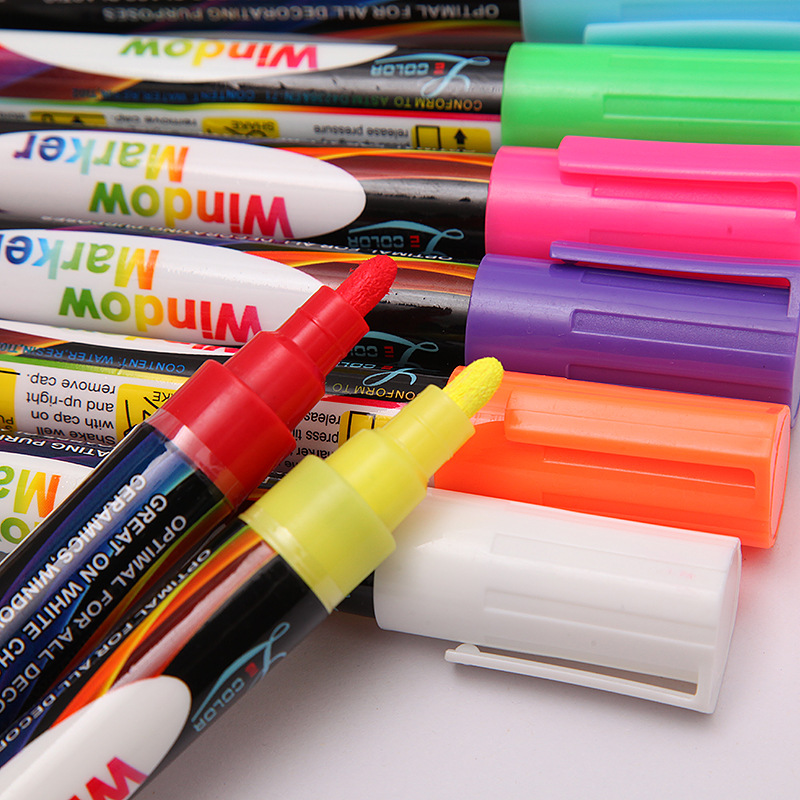
3. Alcohol markers: Also known as solvent markers, they use alcohol as a carrier liquid. These markers dry very quickly and can leave long-lasting, non-fading marks on a variety of materials. Especially suitable for painting on smooth or difficult-to-attach surfaces.
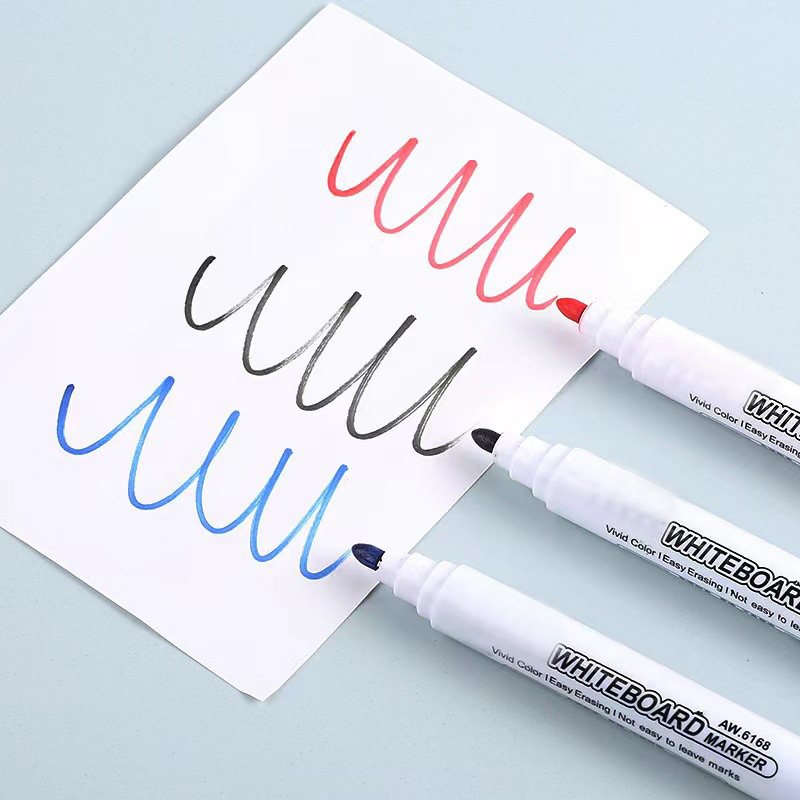
4. Whiteboard markers: specially designed for writing and drawing on whiteboards, easy to wipe clean without leaving marks. Very suitable for classrooms, meeting rooms and other occasions.
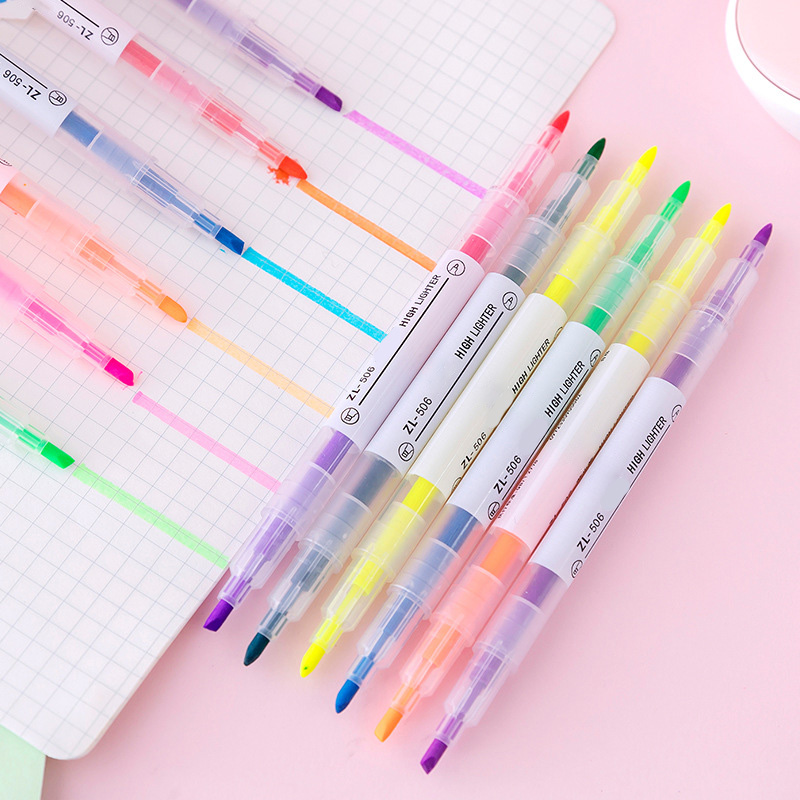
5. Fluorescent markers: contain fluorescent ingredients, which can emit bright colors under ordinary light or ultraviolet light. Often used to highlight key information in documents or for decorative purposes.

6. Permanent markers: these markers usually refer to oil-based or alcohol-based products that are difficult to remove once they are dry. They provide extremely high durability and wear resistance, suitable for long-term preservation of works or signatures on important documents.
7. Fine-tip markers/signature pens: with fine tip design, they can provide precise control and are very suitable for drawing details or calligraphy creation.
Different types of markers have their own characteristics. When choosing, you can decide which type of product is most suitable according to your specific needs. For example, consider the materials used, whether waterproof and fade-resistant functions are required, and personal preferences for color, line thickness, etc.